This fly imitates a cased caddis as it hatches, with a tungsten bead to help get it down, where it needs to be.
The Peeping Caddis Tungsten imitates a cased caddis larva beginning to emerge from its protective case. That profile gives trout a familiar, high value food source near the bottom, especially in riffles, seams, and caddis rich water.
The tungsten bead helps the fly sink quickly and stay close to the zone where caddis larvae are most available. Its natural shape makes it useful when trout are feeding low, while the exposed body detail gives the pattern enough life to stand out from plain weighted nymphs.
Fish it under an indicator, as a point fly, or in a Euro nymphing setup. It is especially useful during caddis activity, after disturbing rocks, or whenever trout are picking off heavier subsurface food near the streambed.
The Peeping Caddis - Tungsten imitates a caddis larva partly showing from its protective case. Many caddis larvae build cases from stream materials like sand, tiny stones, vegetation, or bits of debris, and trout recognize those little bottom-dwelling meals when they get dislodged. This fly gives them the “caddis with its head out” look—basically room service, but for trout.
Why does this Peeping Caddis have tungsten?
The tungsten helps the fly sink quickly and stay near the streambed, where caddis larvae actually live. Trout often hold low in riffles and runs because the current is slower near the bottom while food still drifts by overhead. Tungsten gets this fly into that lower feeding lane instead of letting it float over the fish like it missed the exit.
When should I fish the Peeping Caddis - Tungsten?
Fish the Peeping Caddis - Tungsten when trout are feeding subsurface, especially before or between caddis hatches. It is a strong choice in riffles, pocket water, runs, and rocky seams where caddis larvae can get knocked loose from the bottom. Caddis are common in many trout waters, so this is a year-round confidence nymph in the right habitat—not just a one-week hatch hero.
Where does the Peeping Caddis - Tungsten work best?
The Peeping Caddis - Tungsten works best in riffles, runs, pocket water, rocky bottoms, seams, and pool heads where caddis larvae live among structure. Fish it close to the bottom with a natural drift, especially where current can tumble loose food into a trout’s lane. If the water has rocks, oxygen, and trout looking down, this fly has a job interview.
How should I fish the Peeping Caddis - Tungsten?
Fish it under an indicator, tight-line style, Euro-style, or as the point fly in a two-nymph rig. Start with a dead drift near the bottom, then adjust depth until the fly occasionally ticks structure without snagging every cast. If caddis pupae are active, a gentle lift or swing at the end of the drift can also help suggest movement—but most of the time, let this little case-dweller tumble naturally and do its sneaky work.
This fly is always in the rotation! Flat out catches fish!!
A
Alisher Kurbanov
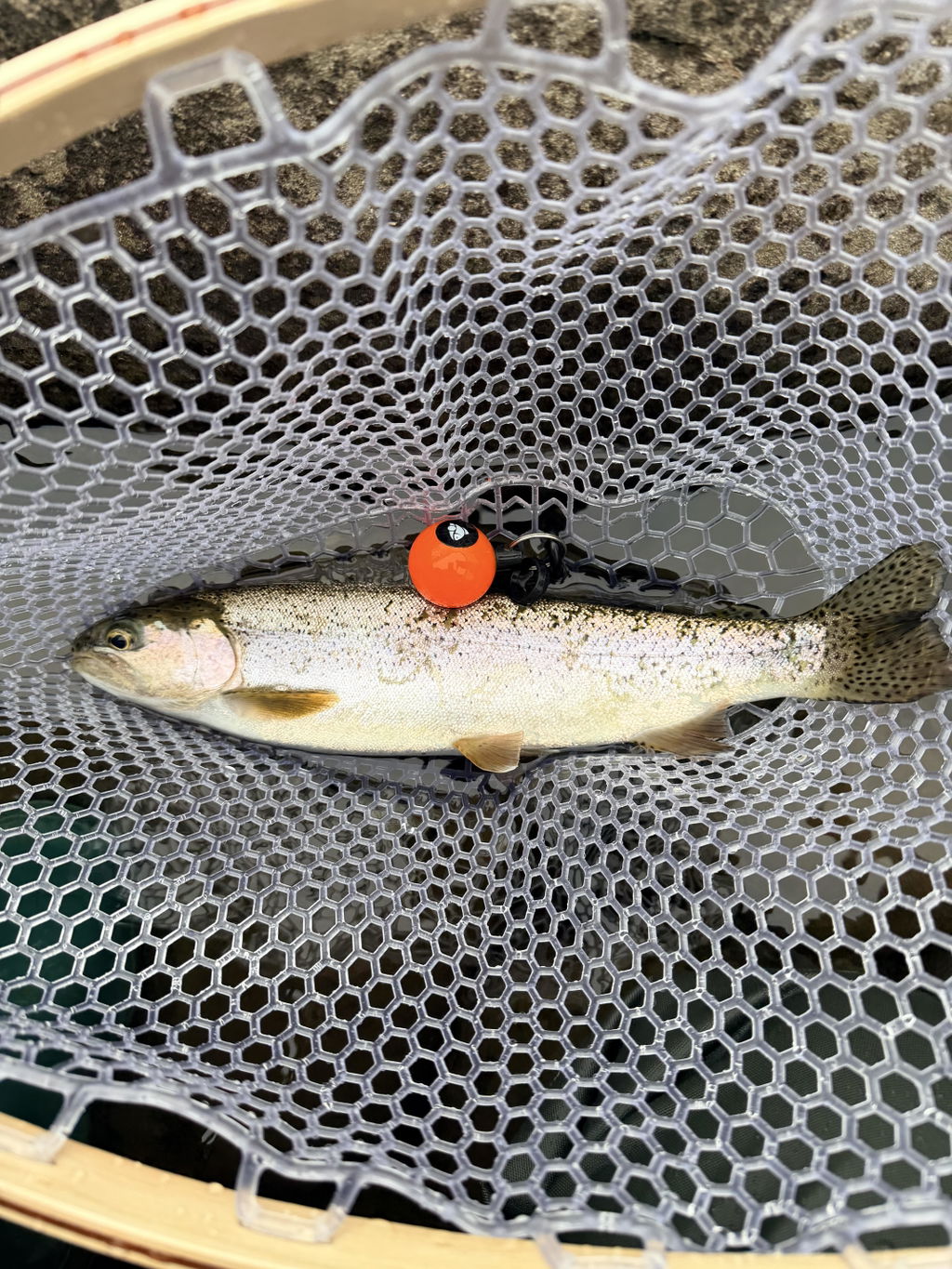
Caught 17 inch rainbow trout
T
Todd
Love it
K
Kenneth Little
Excellent quality in flies and very fast shipping. Great seller of flies.
B
Bill Strawn
These peeking caddis flies have an outstanding strike rate in the Pennsylvania streams that I fish! Their realistic resemblance to actual caddis emerging from their casing draws solid strikes every time. A pleasure to have in my go to arsenal.👍🏻