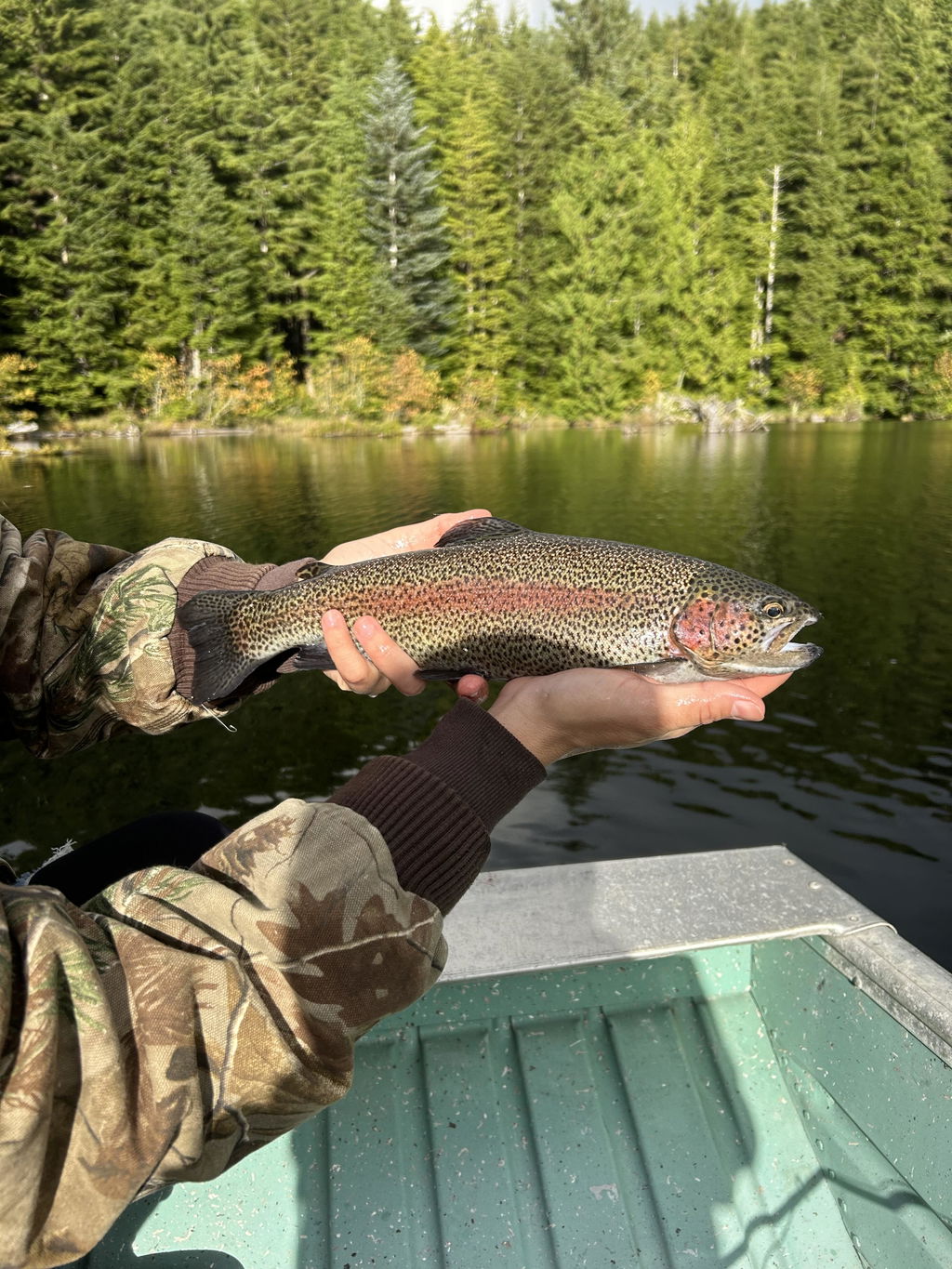
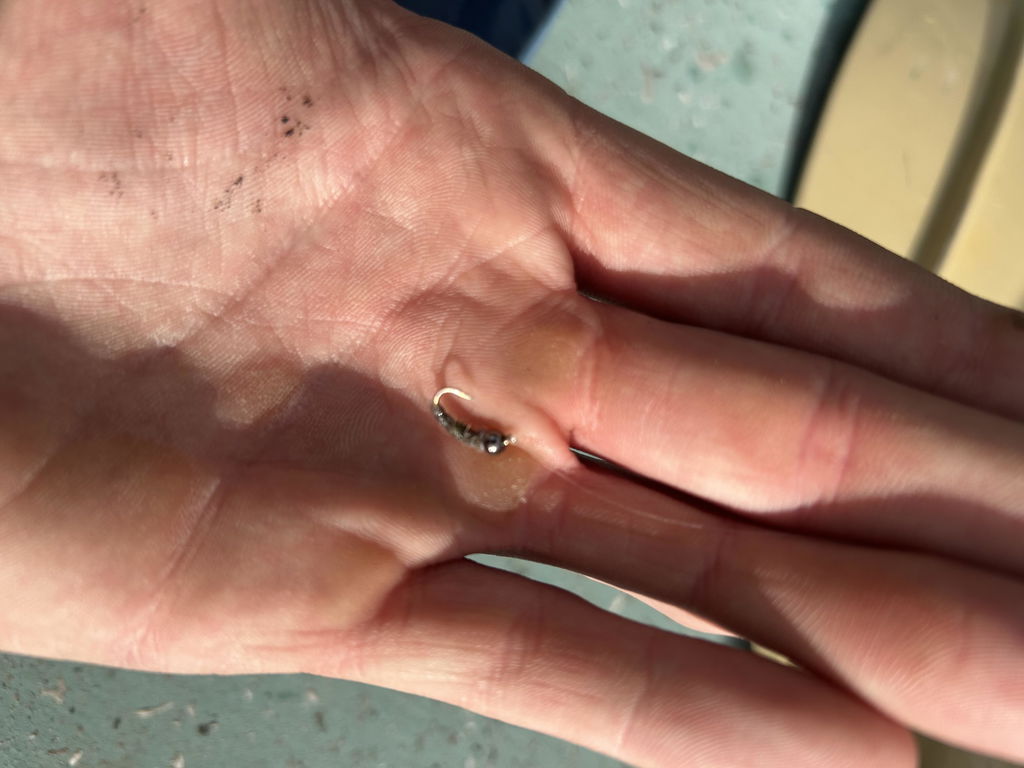
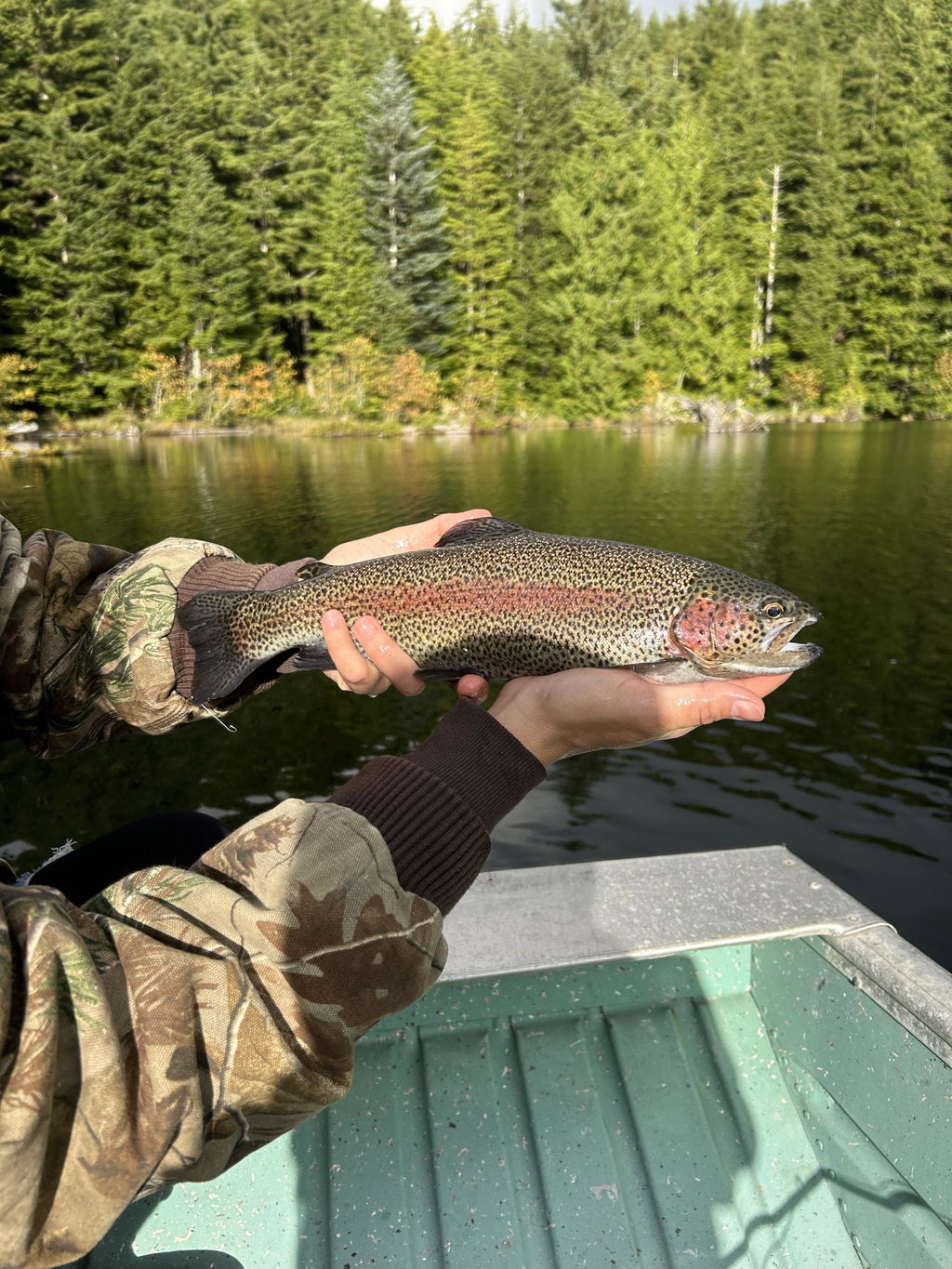
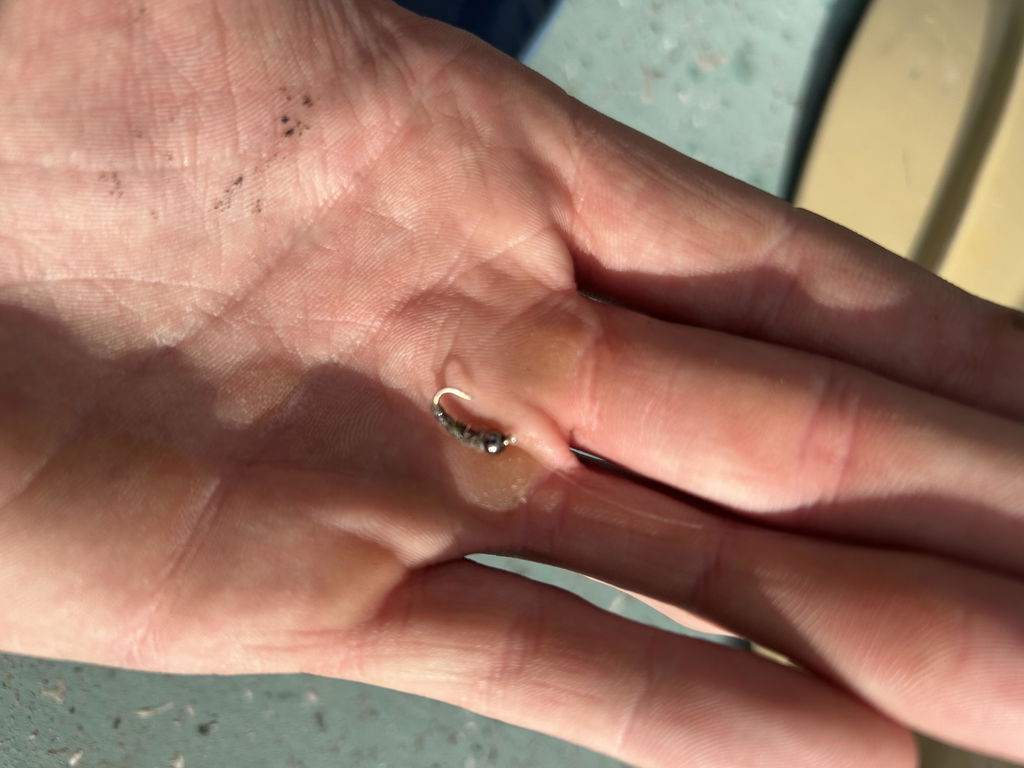
A quick-sinking Caddis Pupa that imitates an October Caddis extremely well. This fly works well on big trout as well as steelhead. Swing it in the fall or fish it under an indicator. Either way, big fish seem to find this fly and hit it with reckless abandon.
What does the October Caddis Nymph - Tungsten imitate?
The October Caddis Nymph - Tungsten imitates the subsurface stage of a large fall caddis before it becomes the big orange adult anglers recognize on streamside rocks and vegetation. Caddisflies have a complete life cycle: larva, pupa, and adult, and trout feed on them below the surface long before anyone sees wings fluttering around. This fly is the “before the big show” meal—and trout do not need a calendar invite to eat it.
Why does this October Caddis nymph have a tungsten bead?
The tungsten bead helps the fly sink quickly and stay down where caddis larvae and pupae are most available to trout. In moving water, trout often hold near the bottom where the current is slower but food still drifts by, so getting the fly into that lower feeding lane matters. Tungsten gives this pattern the drop-it-like-it’s-hot advantage, minus the terrible soundtrack.
When should I fish the October Caddis Nymph - Tungsten?
Fish the October Caddis Nymph - Tungsten in late summer and fall, especially before or during October Caddis activity. It is also a strong searching nymph when you are fishing riffles, pocket water, and deeper runs where larger caddis larvae or pupae may be drifting. If you see adult October Caddis around the banks, the underwater stages have already been part of the trout’s menu.
Where does the October Caddis Nymph - Tungsten work best?
The October Caddis Nymph - Tungsten works best in riffles, runs, pocket water, rocky seams, pool heads, and deeper slots with good current. Caddis larvae live around bottom structure, and pupae become vulnerable as they move toward emergence. Put this fly near the rocks and current lanes where real caddis get knocked loose or start moving—not floating around uselessly in the balcony seats.
How should I fish the October Caddis Nymph - Tungsten?
Fish it close to the bottom under an indicator, tight-line style, or as the heavy point fly in a two-nymph rig. Start with a natural dead drift, then try a gentle lift, swing, or slow rise at the end of the drift to imitate a caddis pupa moving upward. Caddis presentations can benefit from a little motion, so do not be afraid to let this fly drift, lift, and look like it is late for adulthood.