Micro Euro Bugger Redd's Flies

Micro Euro Bugger

Regular price$2.35
/
Shipping calculated at checkout.
Color

Size 14. Nymph size streamer that sinks quicks. Works well fished as a traditional streamer or dead drifted as an anchor nymph.

Fulfillment takes 1-2 days with shipping time of 3-4 days.

FAQs

What does the Micro Euro Bugger imitate?


The Micro Euro Bugger imitates a small leech, baitfish, swimming nymph, or general buggy little protein snack. It has the familiar Woolly Bugger appeal—movement, profile, and versatility—but in a smaller Euro-friendly size that gets into the feeding lane without looking like it’s trying to start a bar fight.

When should I fish a Micro Euro Bugger?


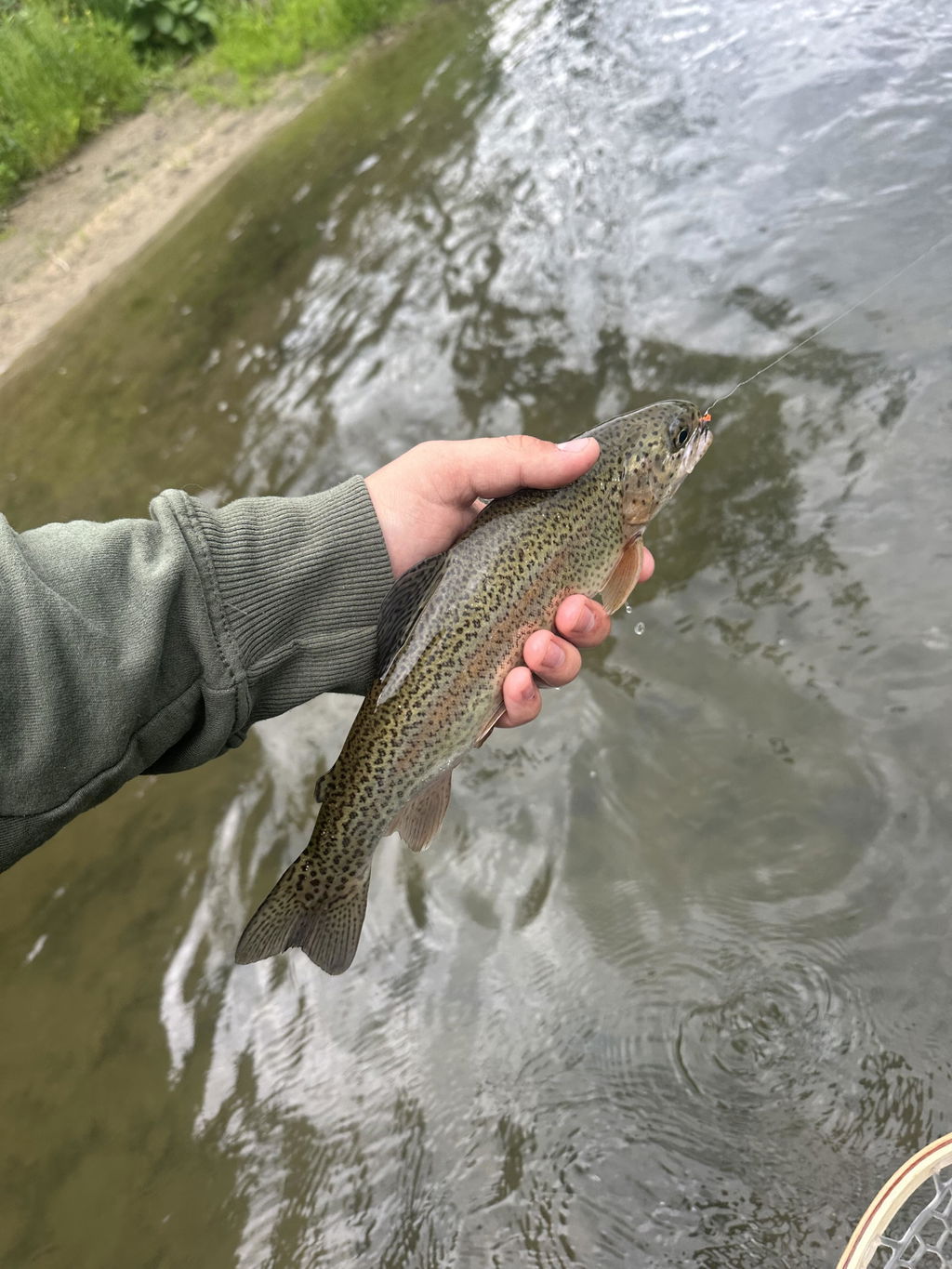
Fish it when trout are feeding subsurface but you want something with more motion than a standard nymph. It is a strong choice in pocket water, riffles, seams, deeper runs, and cold-water slots where trout are holding low. Trout often sit near the bottom because slower current lets them feed with less effort, so getting a small, lively fly down there matters.

How do I fish the Micro Euro Bugger?


Fish it on a Euro nymph rig, under an indicator, or as a dropper behind a heavier fly. Let it drift naturally near bottom, then add tiny lifts, jiggles, or short swings at the end of the drift. That little movement can make it look like a leech, small baitfish, or nymph trying very hard not to become lunch.

Why use a micro bugger instead of a regular Woolly Bugger?


Use the Micro Euro Bugger when trout want movement but not a huge meal. A smaller profile is useful in clear water, pressured water, smaller streams, or anytime fish follow bigger streamers without committing. The reference material points out that trout respond to triggers like movement, silhouette, size, color, vulnerability, and position in the water. This fly keeps the trigger, trims the ego.

What fish will eat a Micro Euro Bugger?


Trout are the main target, but panfish, smallmouth, and other opportunistic fish will eat it too. It is especially useful for trout that are feeding on small leeches, nymphs, or minnows near the bottom. Think of it as the fly-box version of “I’m not sure what they’re eating, but this looks edible enough to cause problems.”

You may also like