A realistic size 12 hopper that sits low for a convincing view from below. Its restrained profile offers trout a believable terrestrial meal when larger, more conspicuous foam flies draw refusals. A favorite for picky summer fish that have already seen plenty of hoppers drift past.
Keller’s Hopper imitates a grasshopper or large terrestrial insect that has blown, jumped, or flat-out fumbled its way into the water. Terrestrials are land-born bugs, but trout eat them eagerly when they hit the river, especially in late spring, summer, and early fall.
When should I fish Keller’s Hopper?
Fish Keller’s Hopper during warm-weather terrestrial season, especially along grassy banks, undercut edges, meadow streams, and breezy stretches where real hoppers can end up in the drink. Hopper fishing is especially important in the West, where open valleys and wind can dump grasshoppers into trout rivers, but hopper patterns still earn eats anywhere trout see enough land bugs.
How should I fish Keller’s Hopper?
Cast it tight to the bank, near overhanging grass, foam lines, seams, and slow edges, then let it drift naturally. A gentle plop is your friend—it should sound like lunch falling out of the weeds, not a tackle box hitting the water. The reference material notes that terrestrial dries are often best presented with a soft plop near streamside vegetation.
Can I fish Keller’s Hopper as a dry-dropper?
Absolutely. Keller’s Hopper makes a great top fly in a hopper-dropper rig because it is visible, buoyant, and easy for anglers to track. Trail a small nymph, ant, beetle, or sunken terrestrial behind it to cover both surface feeders and fish eating drowned bugs below. The Bug Book specifically recommends using a visible, buoyant terrestrial dry as an indicator with a sunken terrestrial underneath.
What kind of trout water is best for Keller’s Hopper?
Keller’s Hopper shines around banks, riffle edges, meadow bends, pocket water, and any place where grass or brush hangs close to the current. Trout use shade, structure, and edges for comfort and ambush cover, so a hopper drifting beside those spots looks like an easy meal that made one bad life choice.
Always a pleasure doing business with Redd’s. Order to door time is exceptional. The quality of the flies are equal to others costing much more elsewhere. And they never fail to reach out and thank me for ordering through them!
D
Daniel Bradshaw
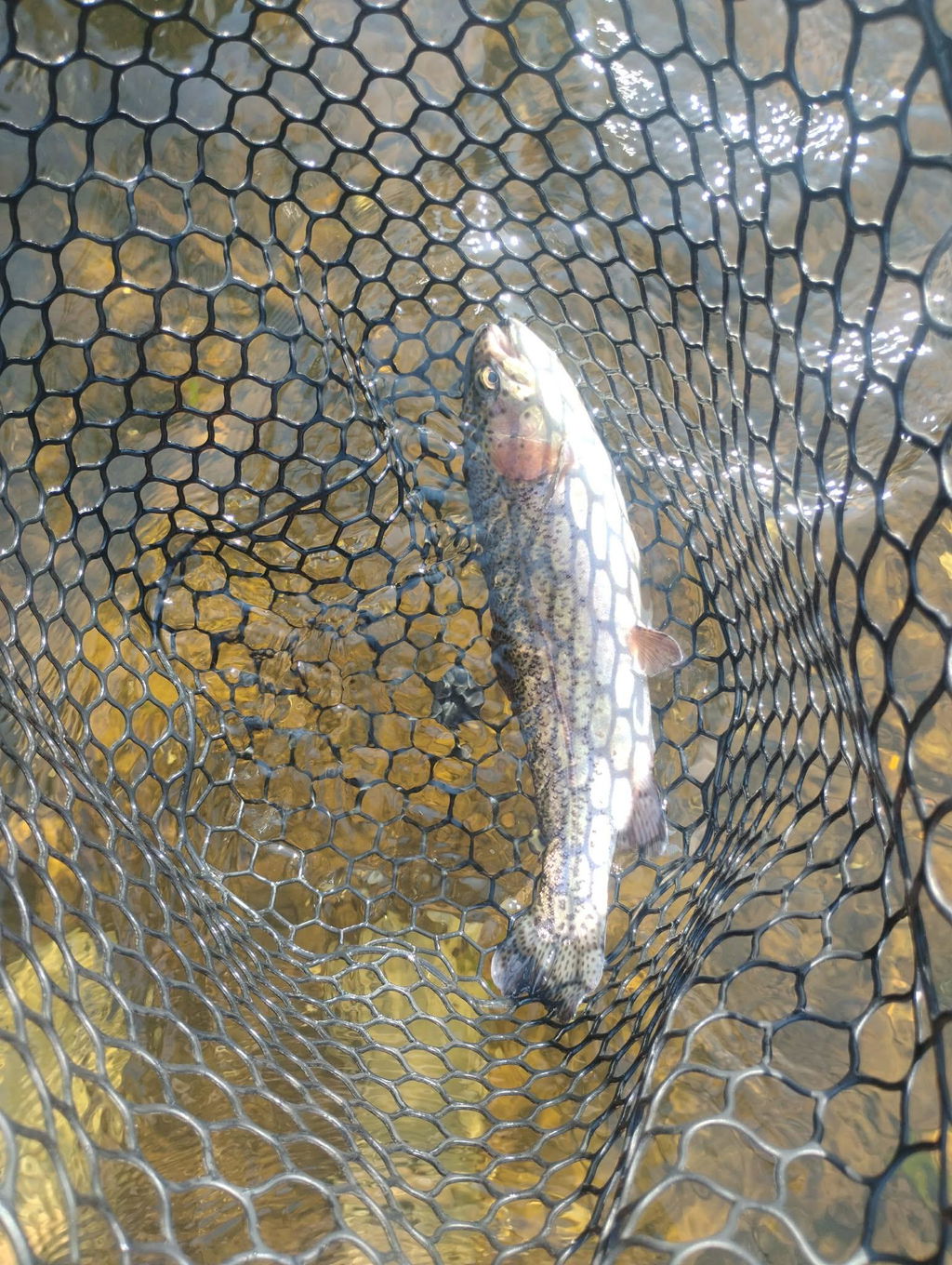
I loved it most durable foam hopper I've used also very realistic great detail also the fish loved em